By Sharon Jane Wong, Apparel Merchandising and Management Undergraduate Student and Research Assistant
At this year’s LA County Fair – Cal Poly Pomona faculty and students gathered to demonstrate as part of the annual fair’s Schools’ Agriculture and Nutrition Program exhibit through Cal Poly Pomona Agriscapes. I had the opportunity to work as an Undergraduate Research Assistant alongside my peers and Dr. Helen Trejo on behalf of the Department of Apparel Merchandising and Management in the Huntley College of Agriculture. We hosted wool spinning demonstrations and textile weaving for visitors as part of the outreach portion of the USDA grant project “An Experiential Learning Approach: US Wool and Water Re-Use for Sustainable Development.” Our outreach is a continuation of last year’s efforts.
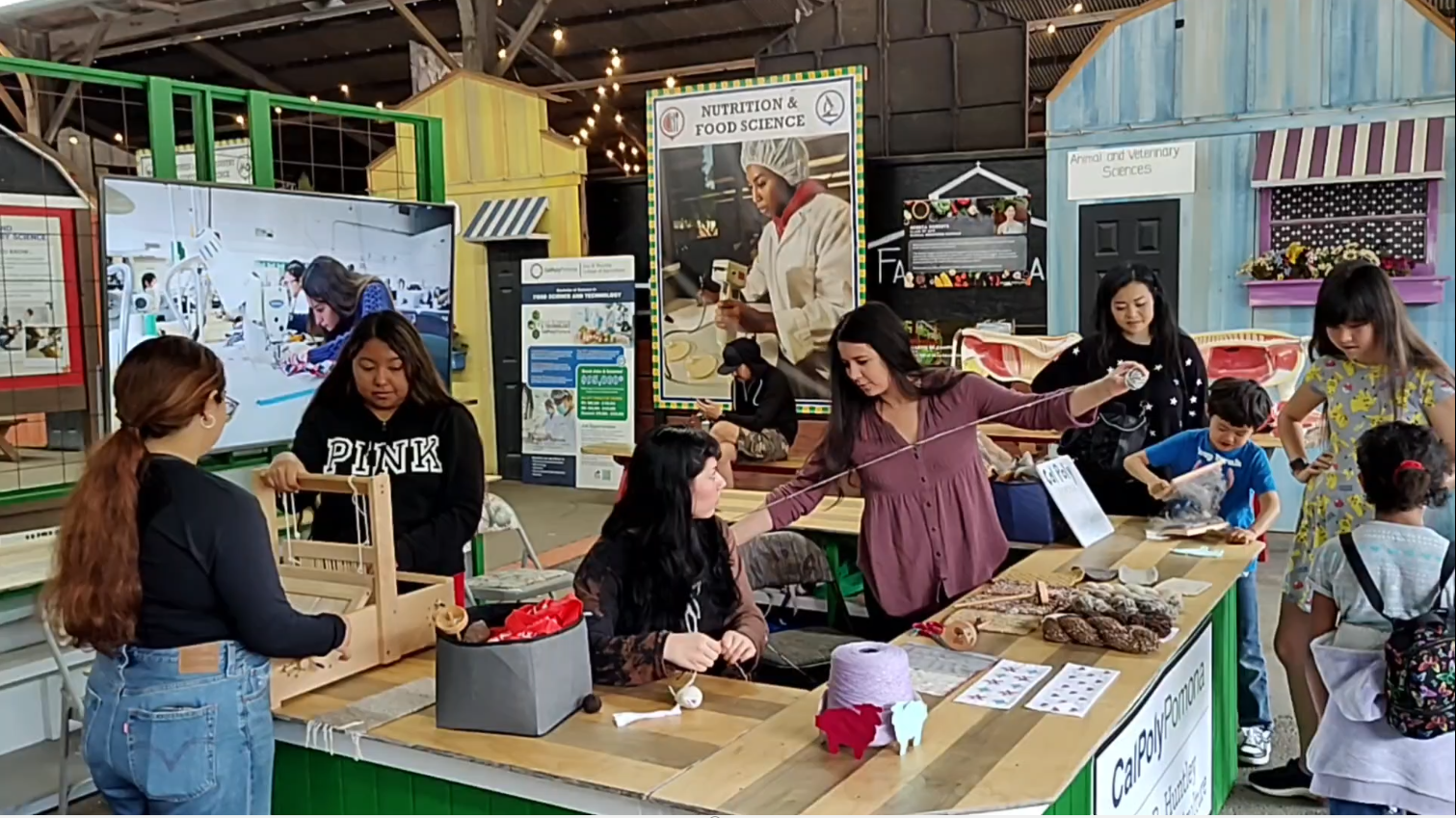
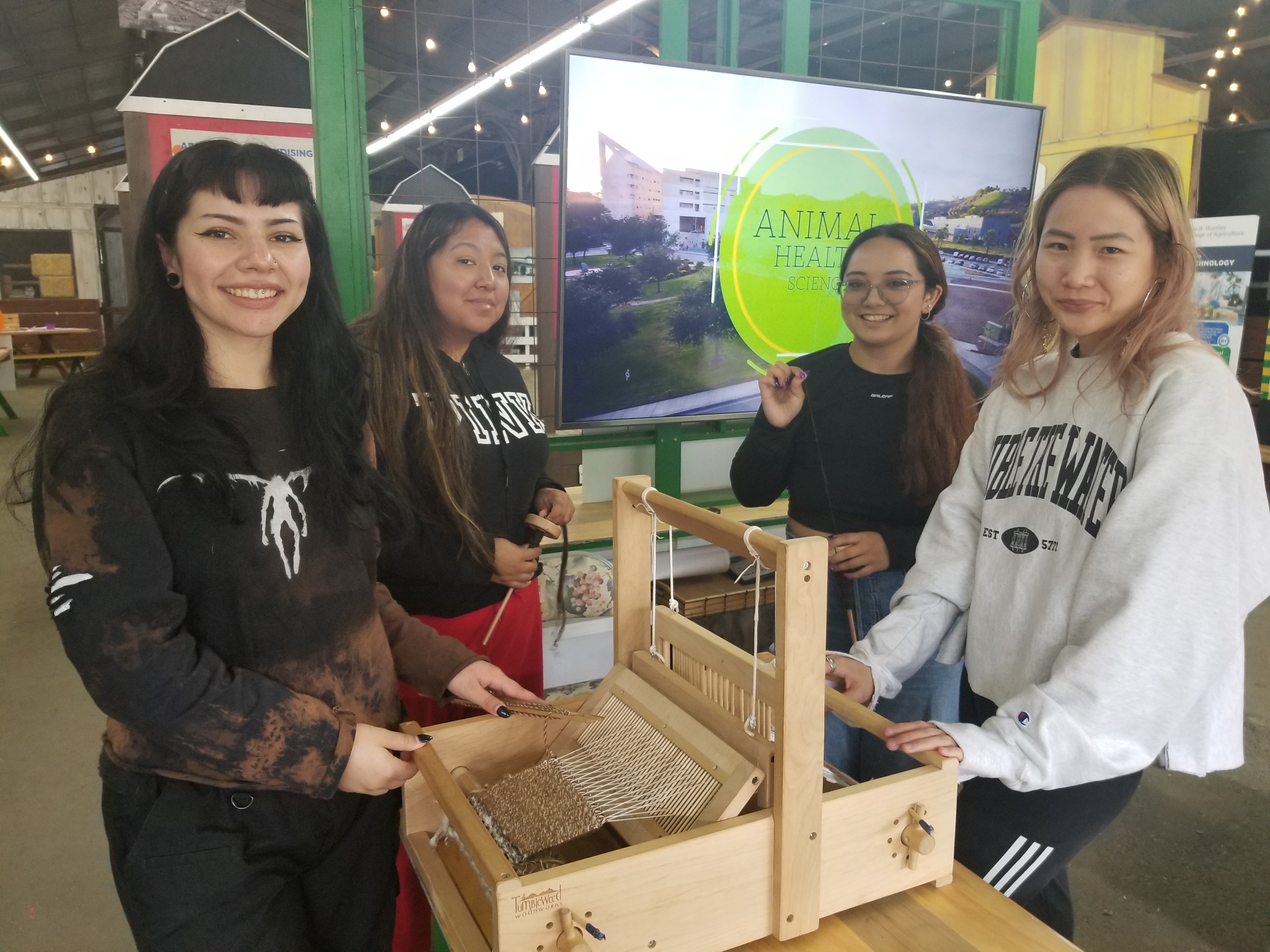
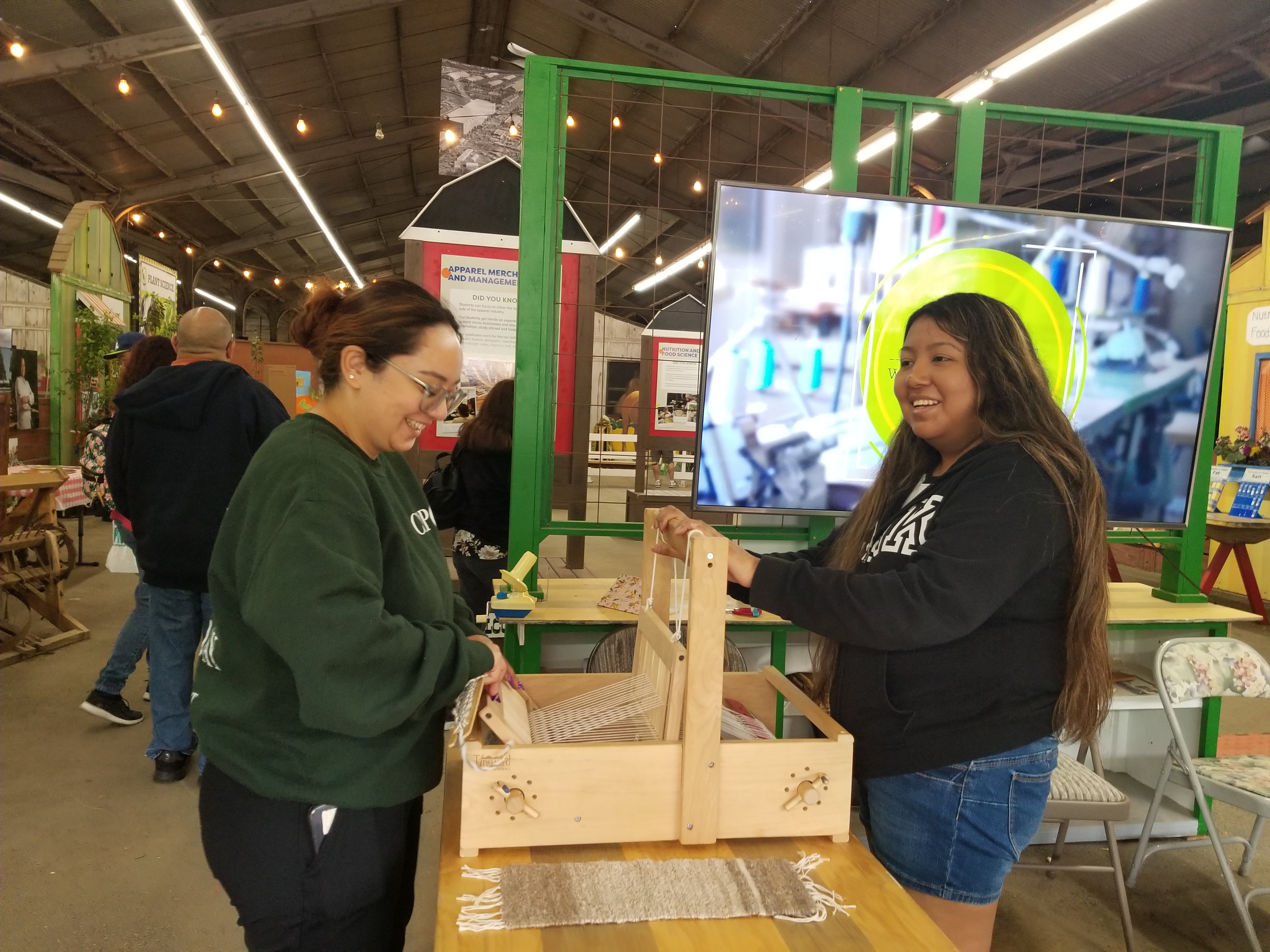
Each year, the county fair reaches thousands of guests. This year we reached approximately 1,780 visitors over the course of five days from May 25 through May 29 – with the highest peak noted on weekend days Saturday and Sunday.
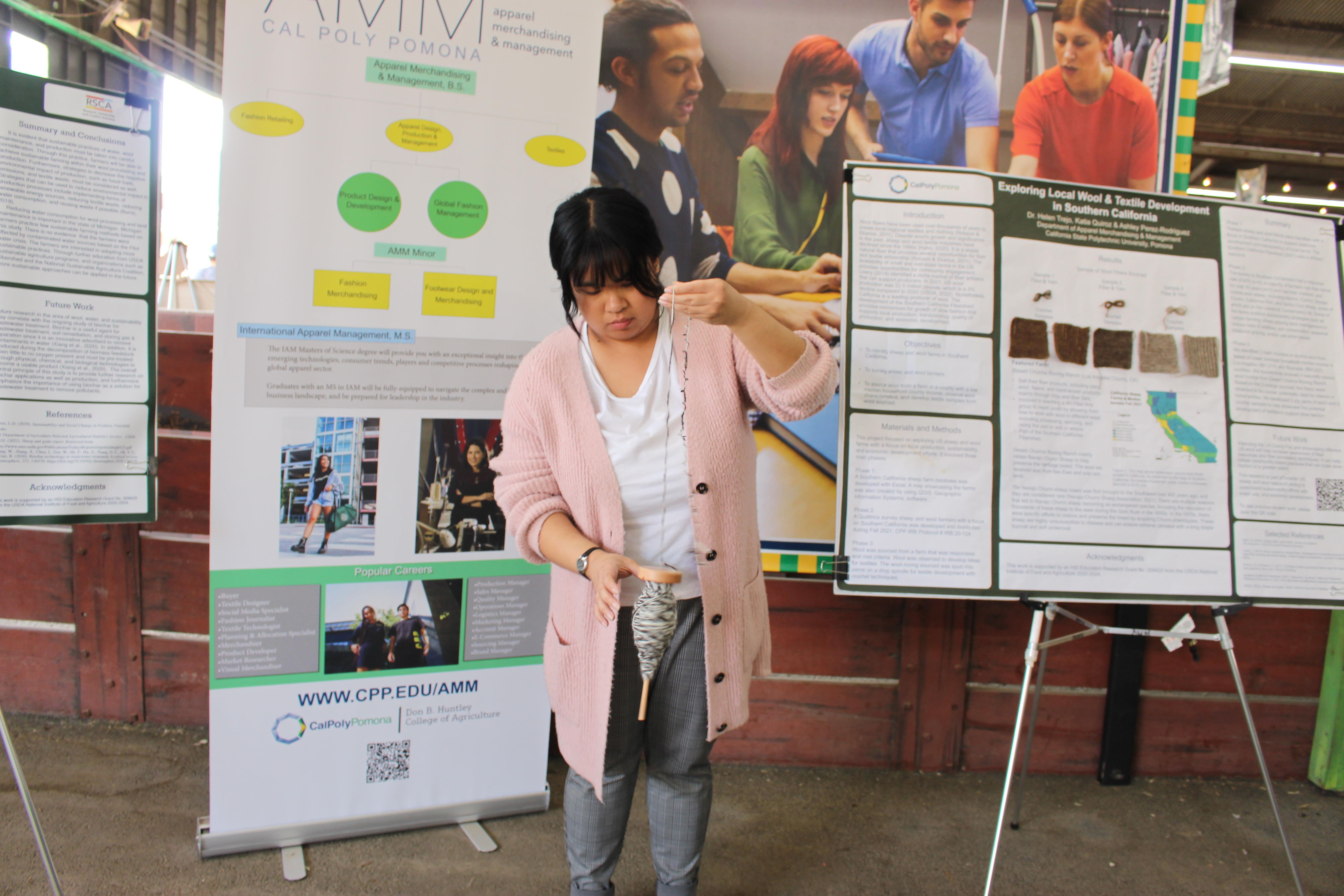
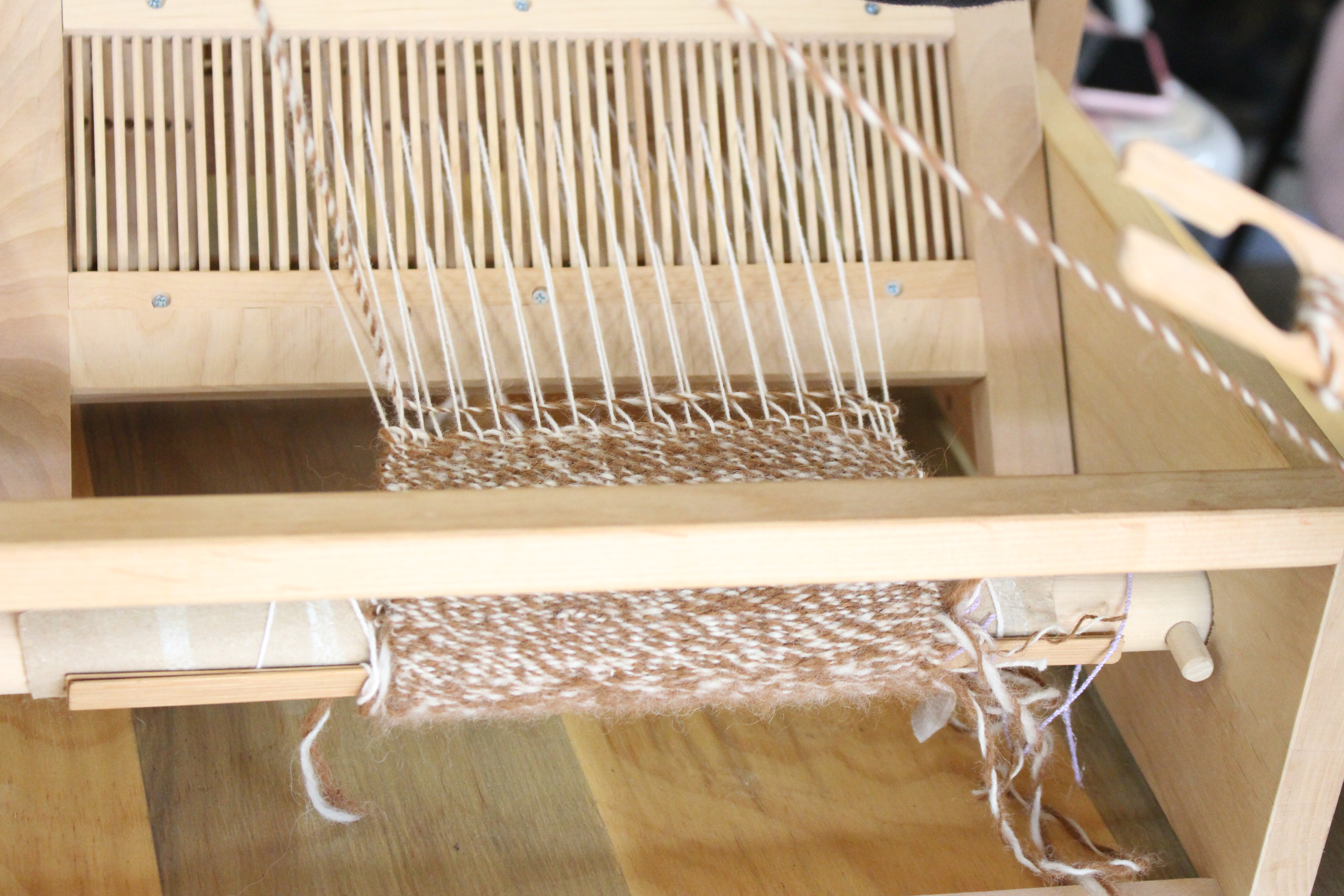
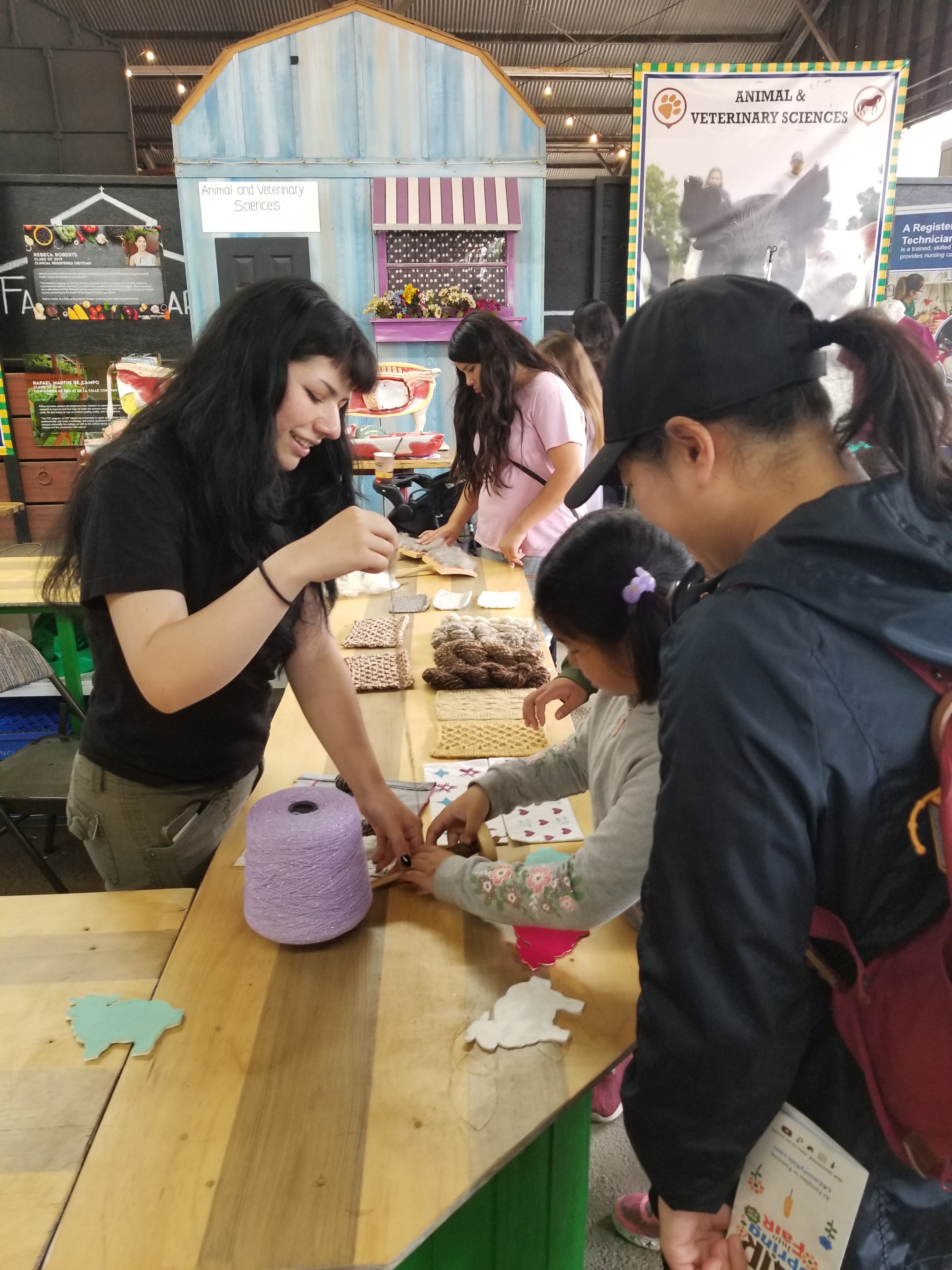
As part of the showcase, we demonstrated the process of spinning wool fibers into workable yarn and combining multiple colors to create two-ply yarns by using a top whorl drop spindle. We then integrated the yarns into a table loom woven textile with the help of several guests, visitors, and families. For many, this was a first-time experience with wool spinning, plying, and weaving. A few visitors shared stories of their own knowledge and expertise working with various fibers, tools, and processes with appreciation for our exhibit.
Both wool1 and alpaca2 materials were sourced from farms across the United States as part of Dr. Trejo’s Apparel Research Project course (AMM 4630) at Cal Poly Pomona. The research portion of the project explores the differences between local wool and textile development versus that on a national level, while taking into consideration sustainable measures and aspects of the apparel and agriculture industries.
The booth also showcased an array of knit, crochet, and woven textile swatches – including the hand-woven textile created last summer. This allowed viewers to visualize the process of turning natural fibers in initial stages into various types of end textiles. Visitors were also introduced to varying colors of wool in their natural, undyed state alongside others that were naturally dyed with eucalyptus leaves.
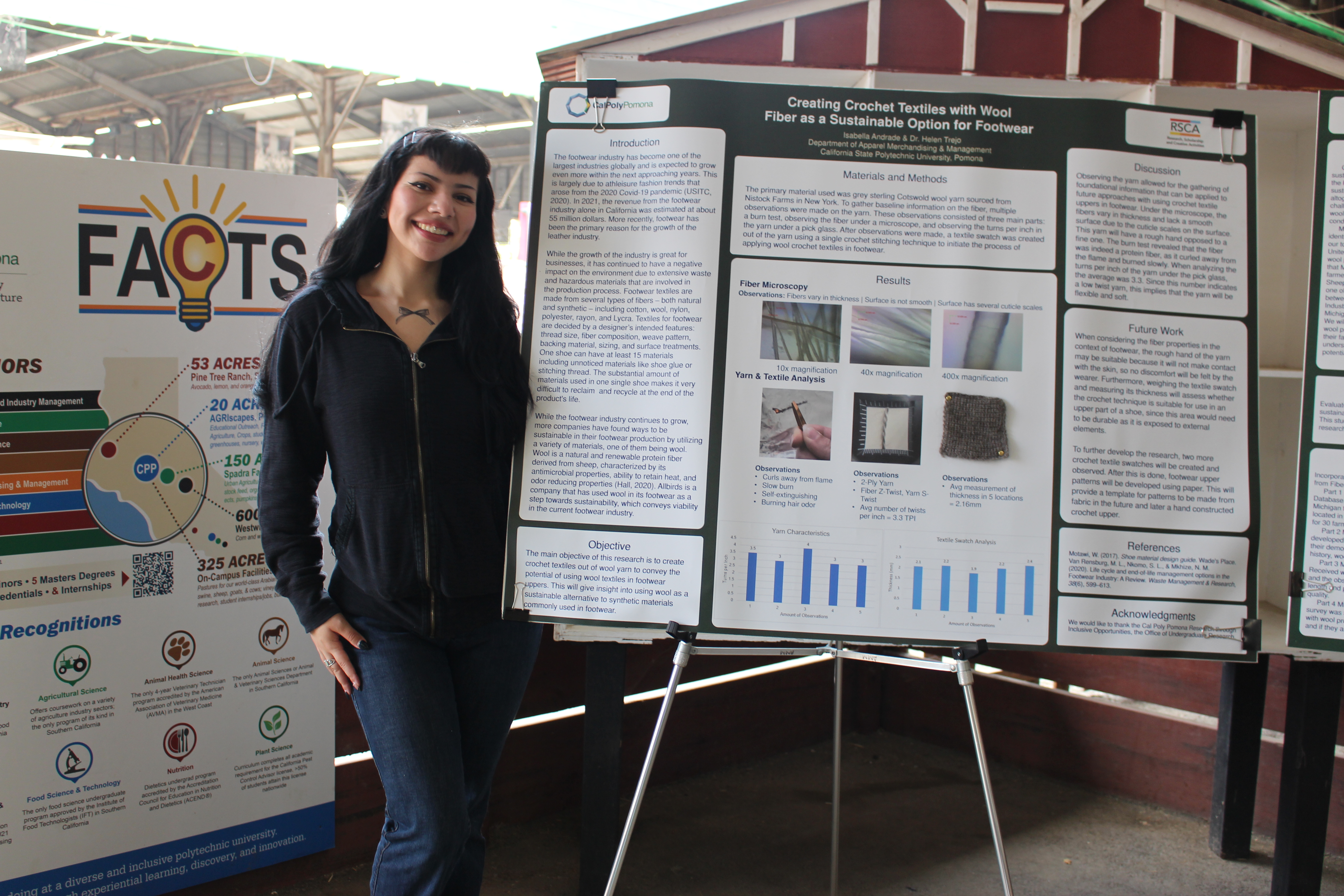
Around our demonstration were wool research project posters from 2021 to Spring 2023. These outlined the processes of locating and sourcing different wool varieties and showed different approaches with wool with textiles and footwear.

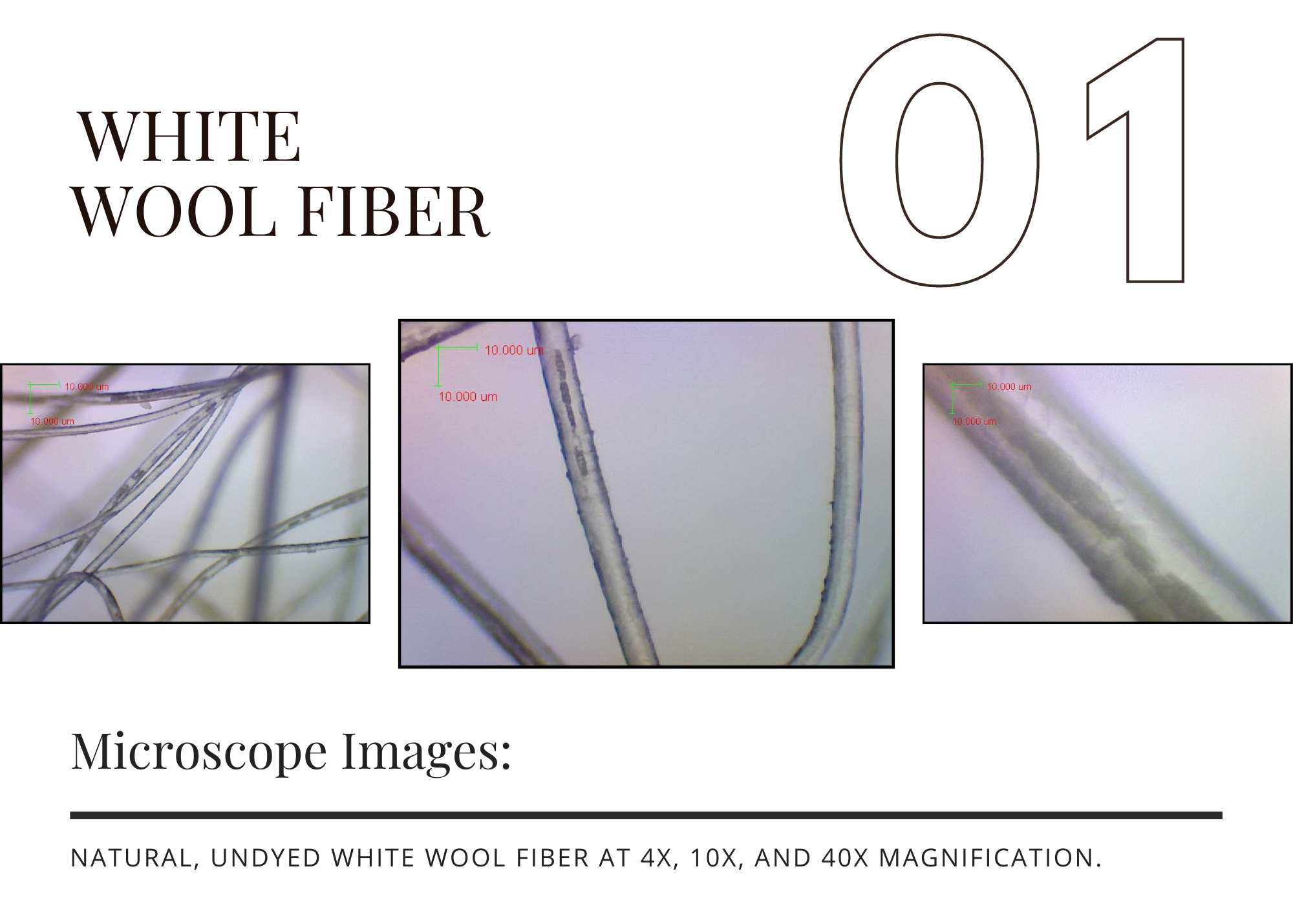
Upon completing the outreach, our project team took to the department lab to further analyze samples of the fibers and yarns used in the woven textile. We also successfully finished the textile by weaving in the ends. The textile will be shared with students in the research course and during other outreach events during the year.
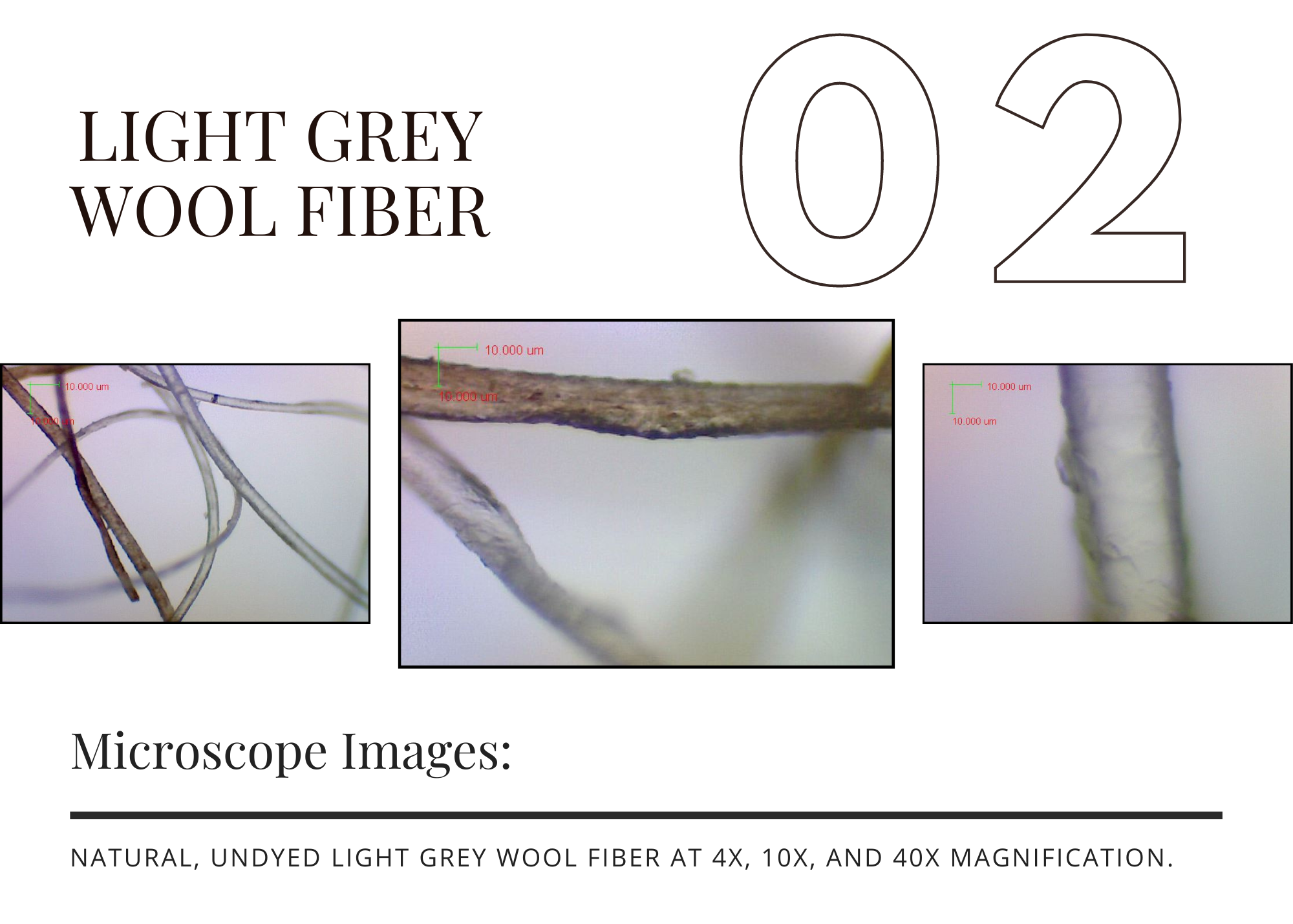
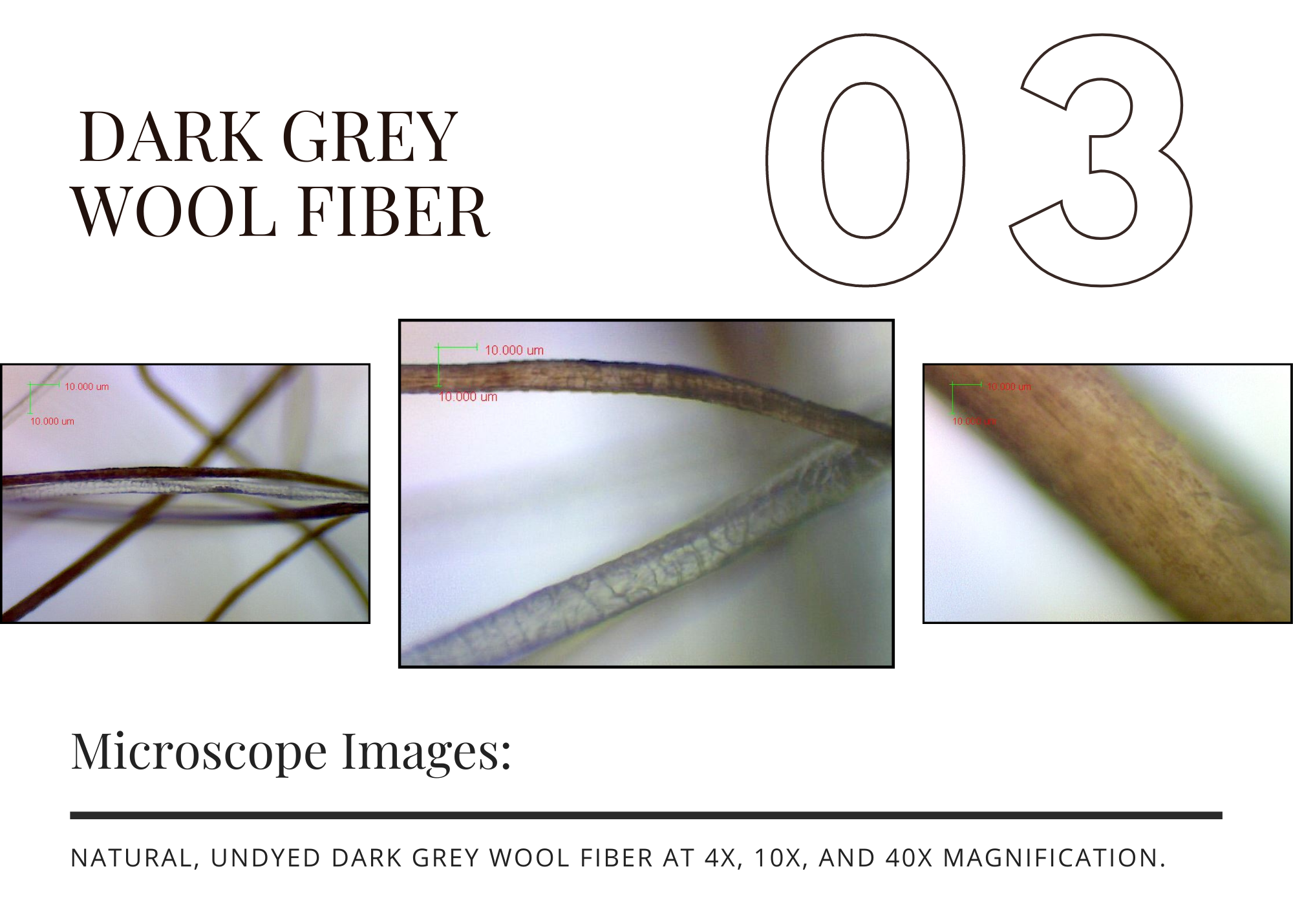
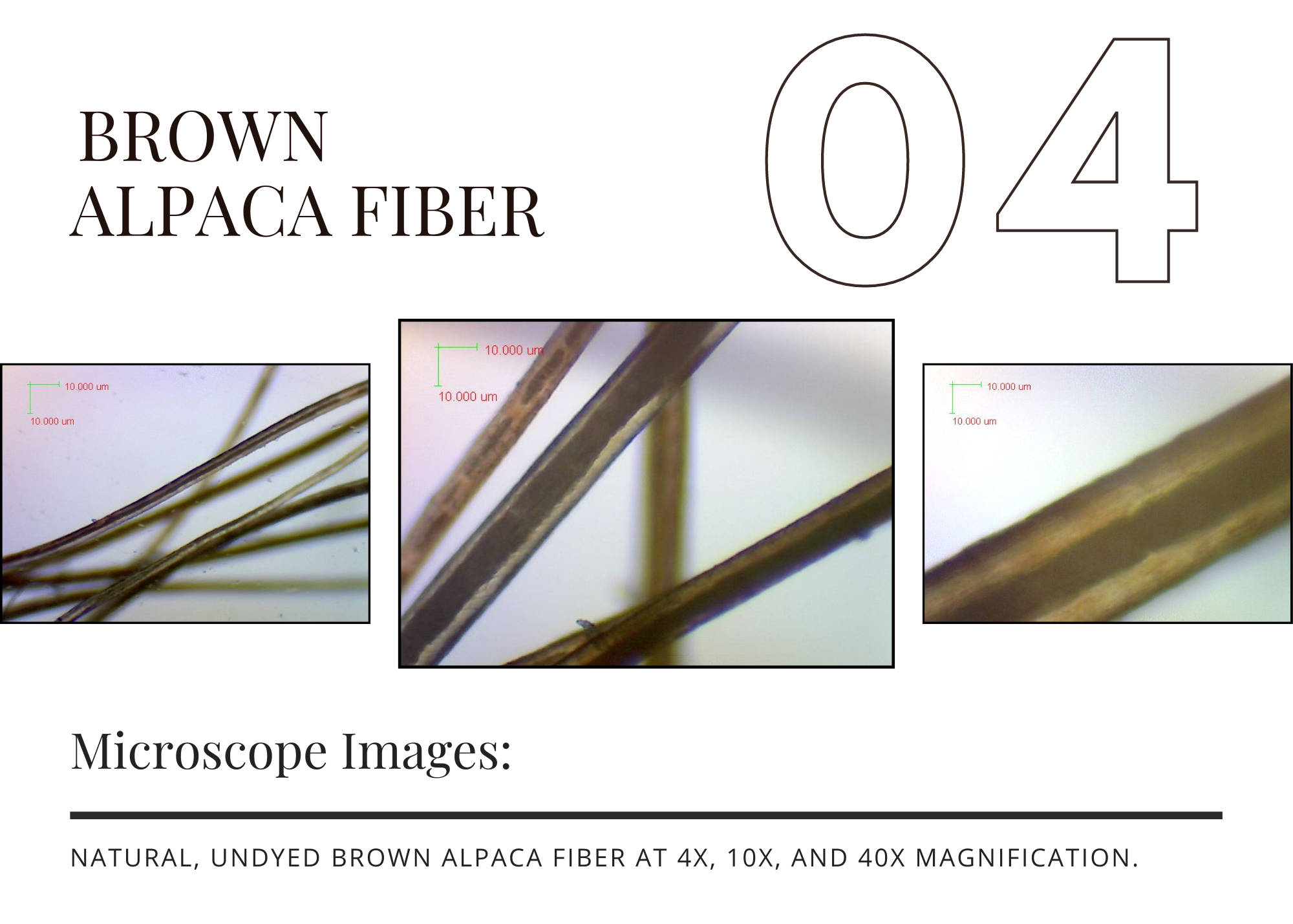
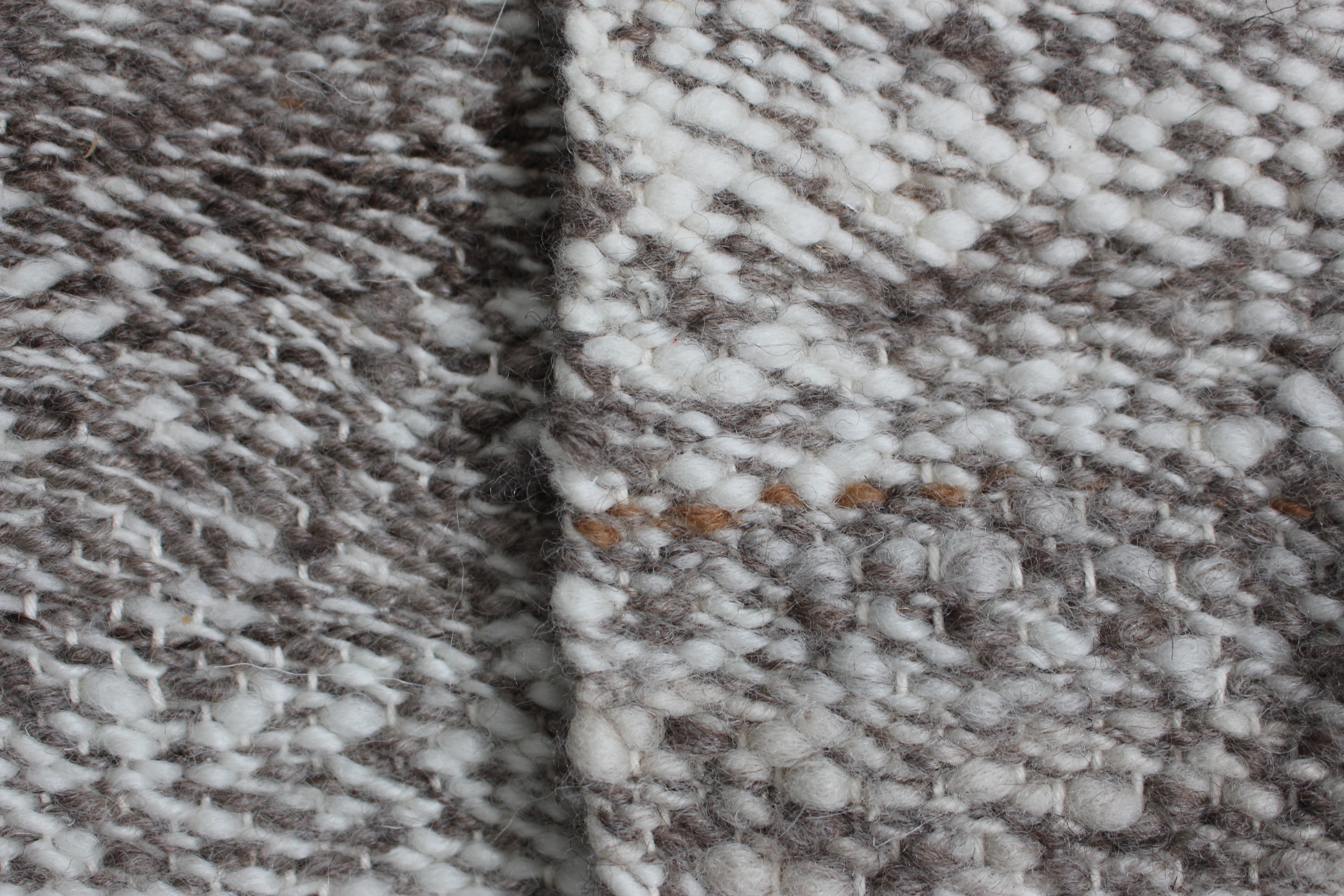
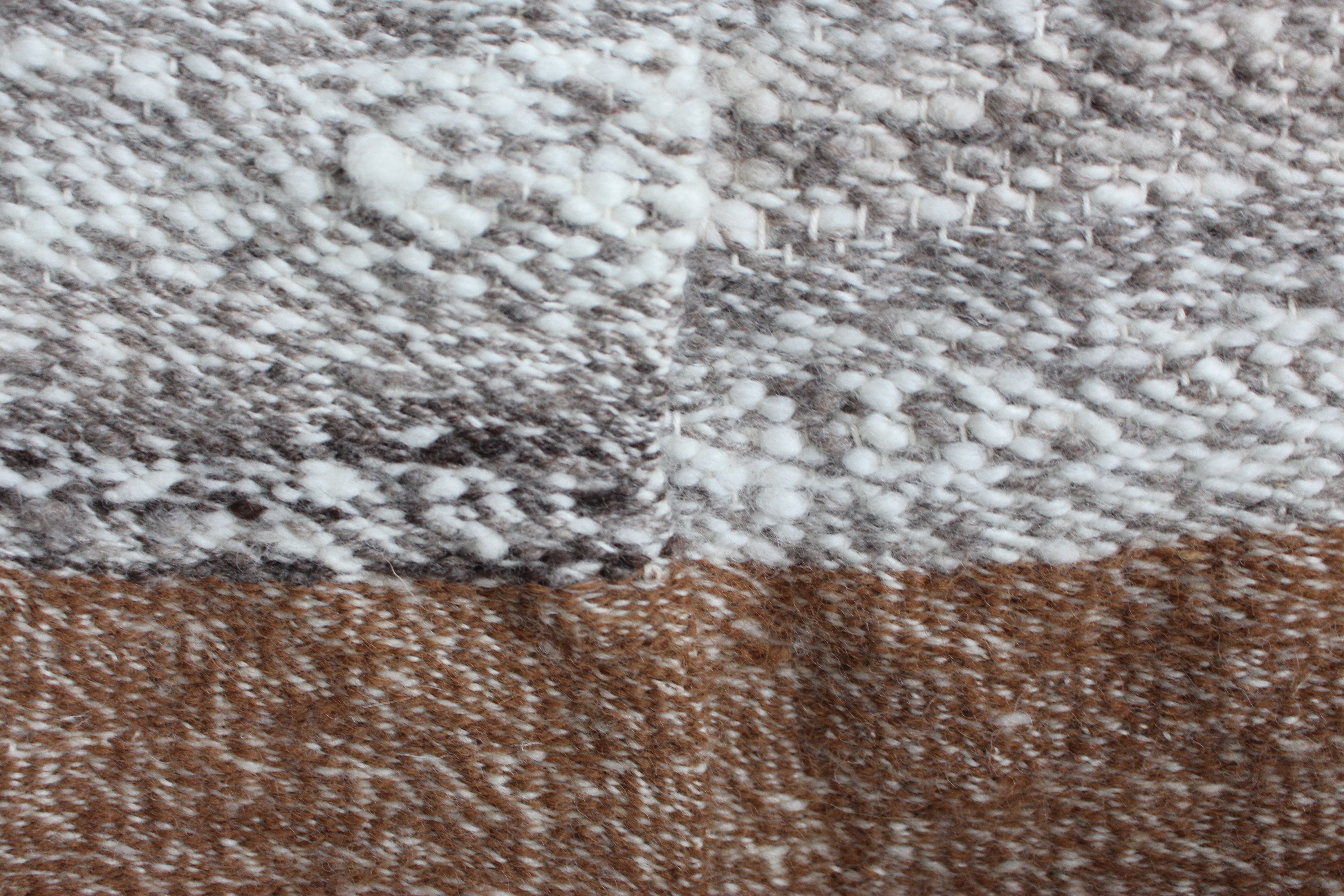
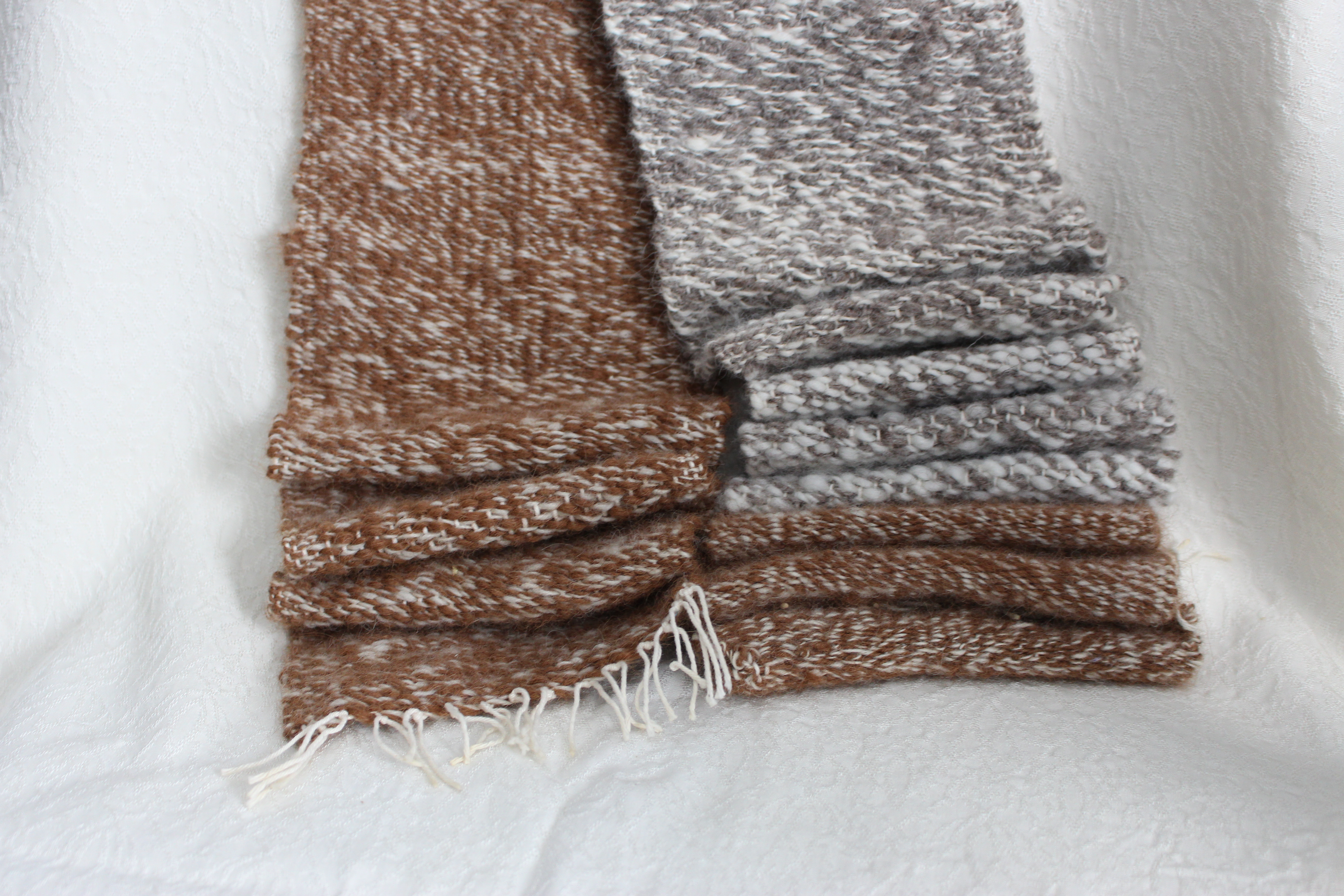
We also wove in the ends, washed it to relax the yarns, and below is the finished textile with various textures! It is 2 yards with a mix of natural white and grey wool, as well as brown alpaca fibers weft yarns. Cotton was used in the warp. This will be used to showcase US wool from sourcing to finished textile in future outreach activities!

1 Wool sourced from Mitten State Sheep & Wool | Southern Michigan and Red Creek Farm | Mendocino County, CA
2 Alpaca sourced from A+ Alpaca Fiber Mill | Jordan, NY
This work was supported by a Hispanic-Serving Institutions Education Grants Program (HSI) Grant no. 2020-38422-32253 from the USDA National Institute of Food and Agriculture.
 HELEN TREJO
One Comment Add yours